January
We are preparing for exciting developments – the central heating installation, including a radiator on the front bedroom wall, and for new upstairs windows.
In this house the Internal Wall Insulation will still use wood fibre boards, like in Hull, but will incorporate more layers in the 100mm build up.
This is a new development in the years since 2012, for more protection against moisture (from cooking, laundry, breathing etc.) getting in the wall. This can be important because if you insulate the wall on the inside, the inside wall surface is then comfortably warm, but the original brick wall becomes cold, so if moisture reaches it, condensation could form. Which would be bad.
We are using Naturewall system.
The first layer is clay plaster. After removing the original plaster (if necessary) and taking it back to brick, the clay plaster base coat levels the surface and fills gaps.
Neither me nor my brother are plasterers. So we were not looking forward to this. I have attempted plastering before. I don’t like it. But it’s gotta be done, so I’m trying it again.
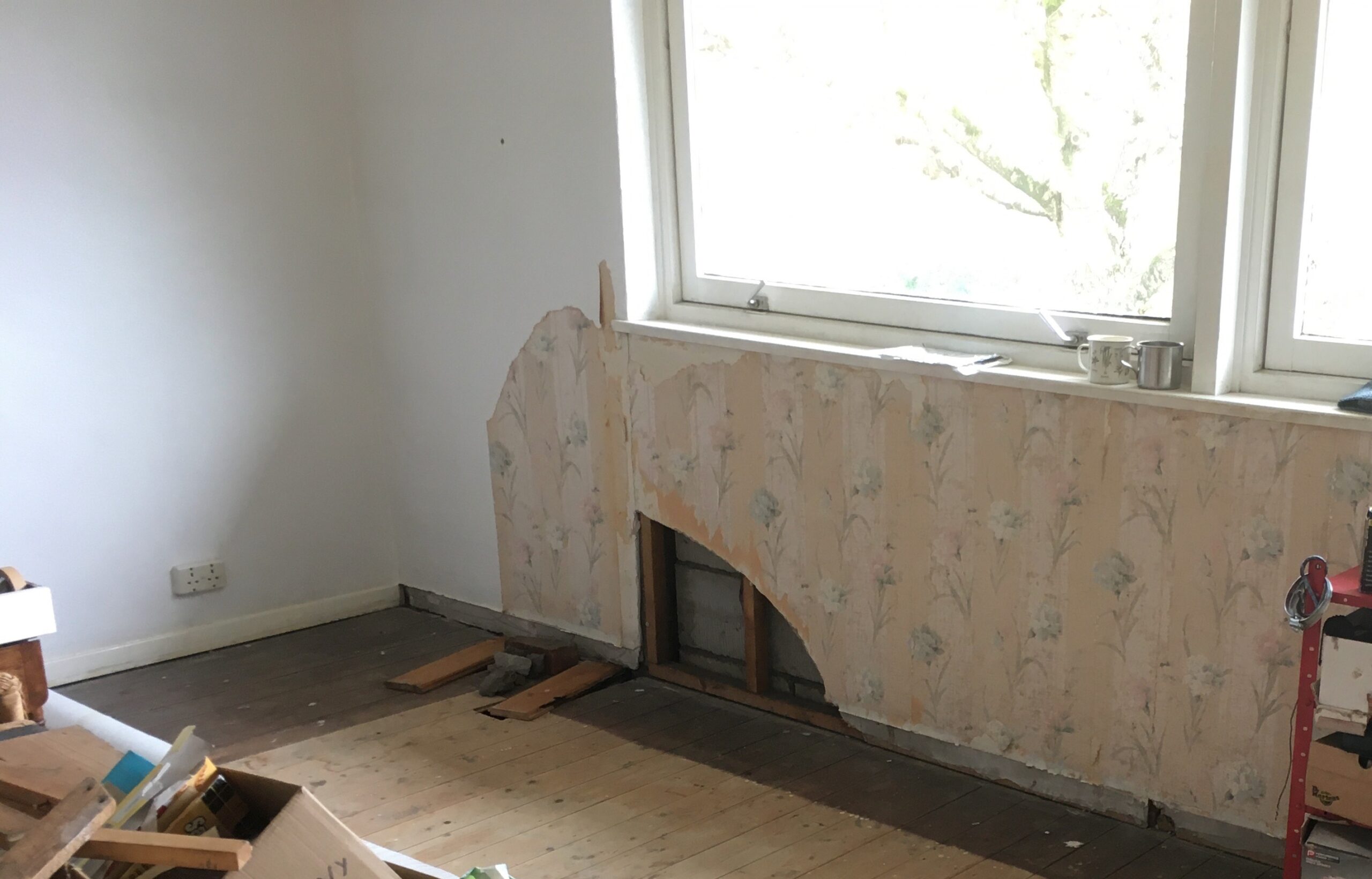
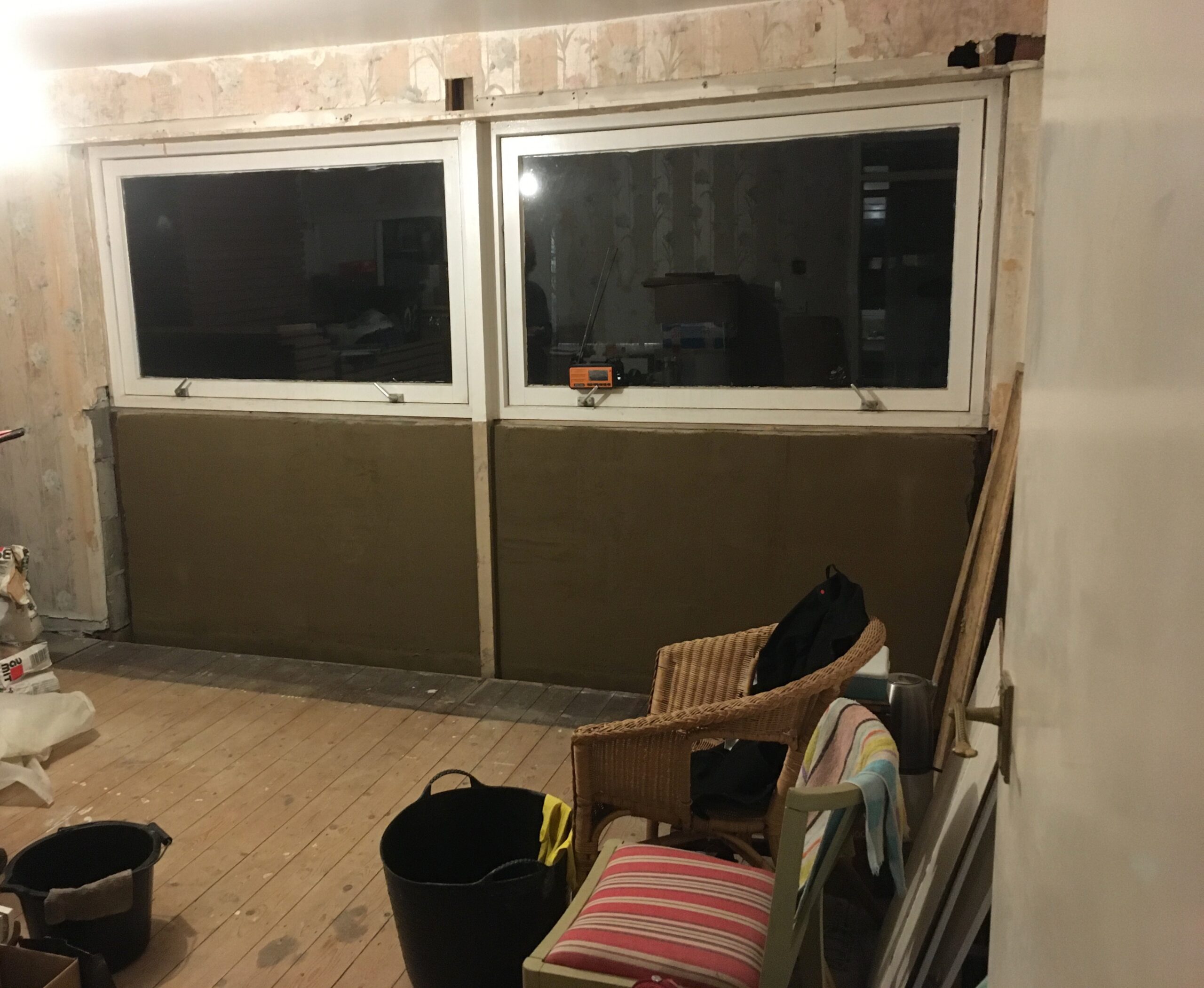
Actually, it was OK. I think I can do this. I mean, it’s not a great finish, but it’s just a base coat that will be covered with insulation boards, so it will do.
This tool helps A LOT:
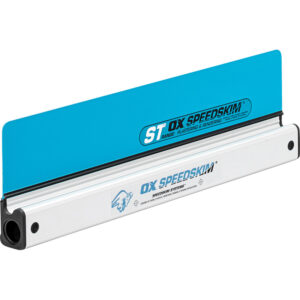 Seems expensive, but has unusually rave reviews along the lines of, “helps amateurs do a half decent job”, “saves hours”, “so much less faff”, “how does such a simple tool make it so much easier”. We agree 🙂
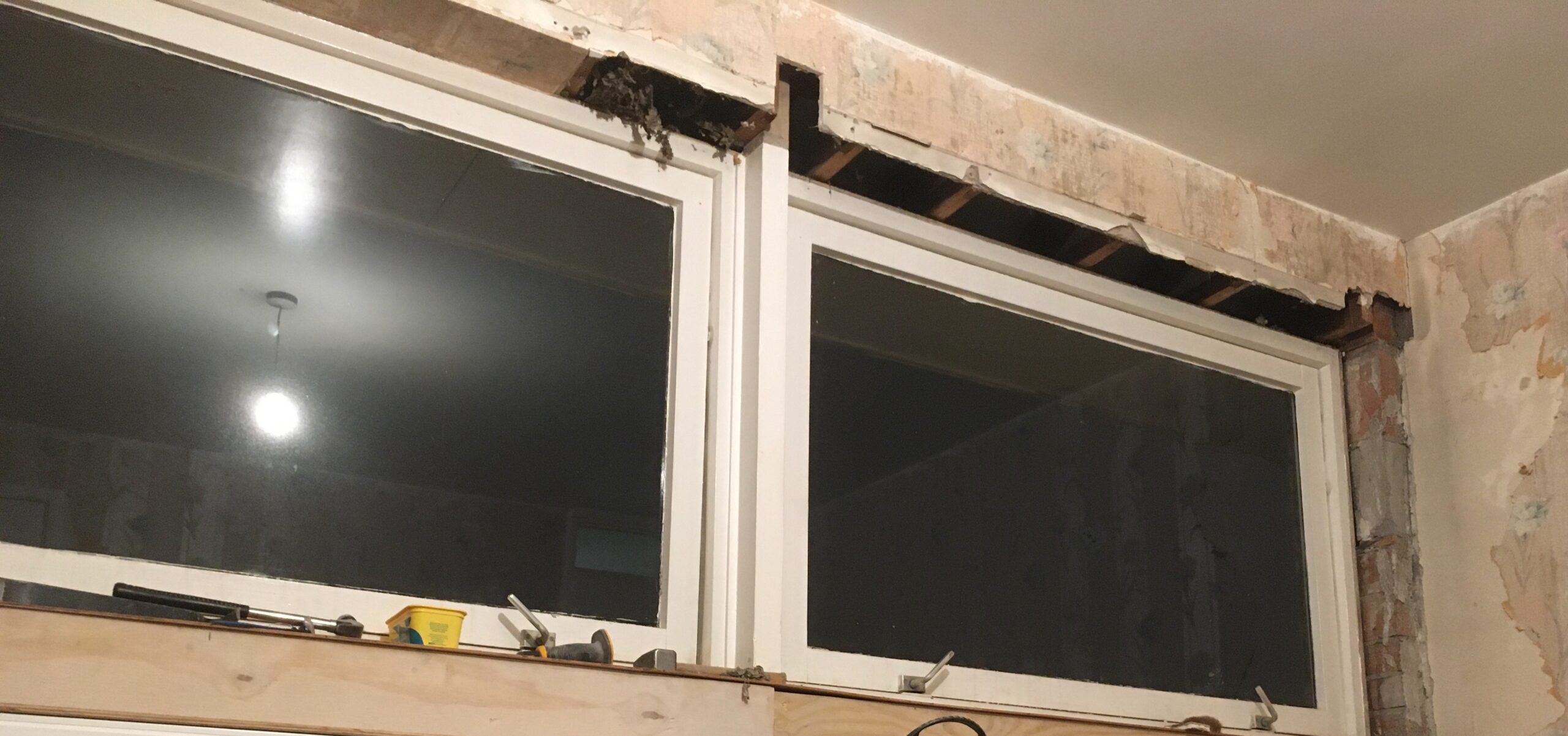
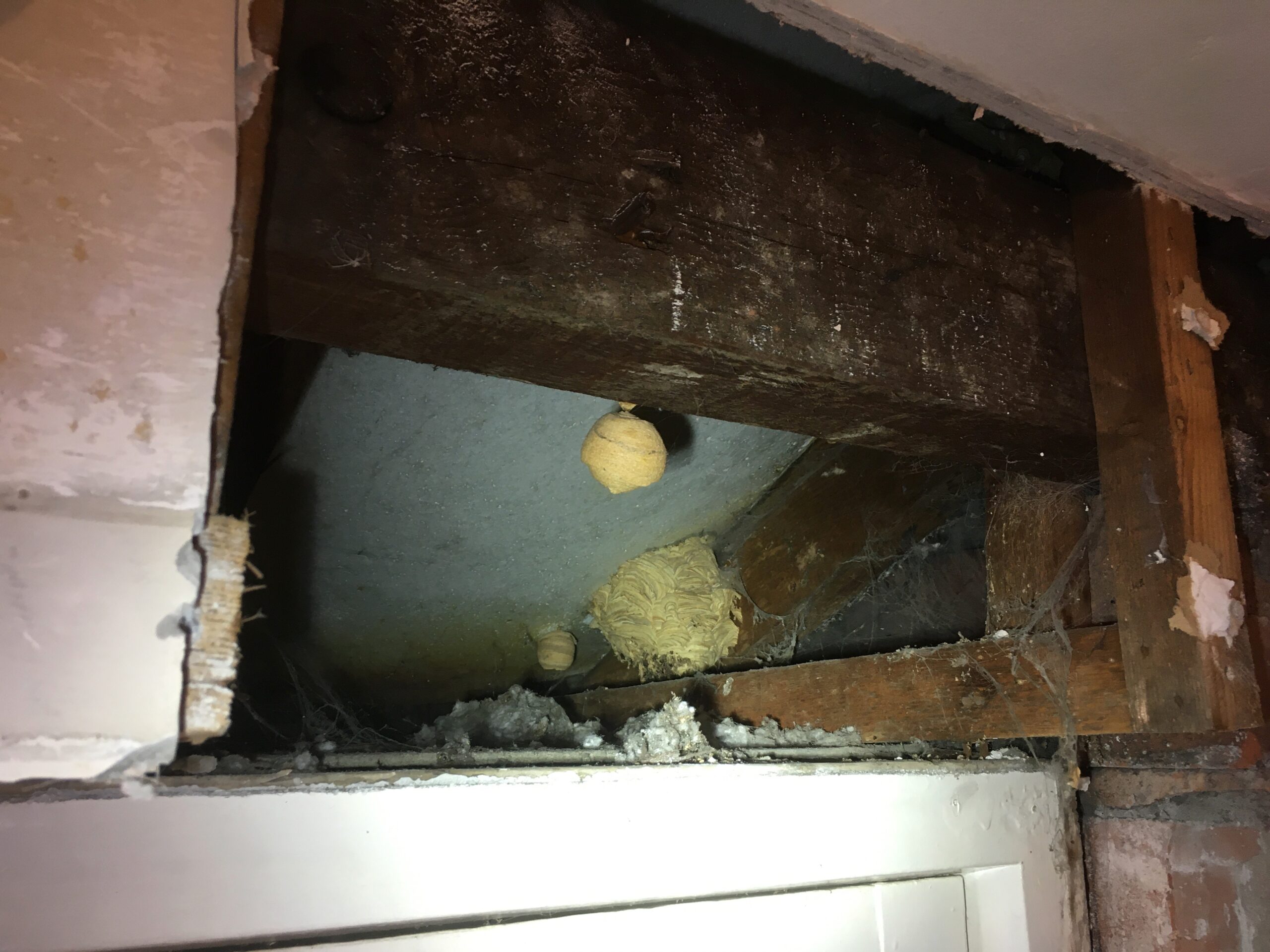
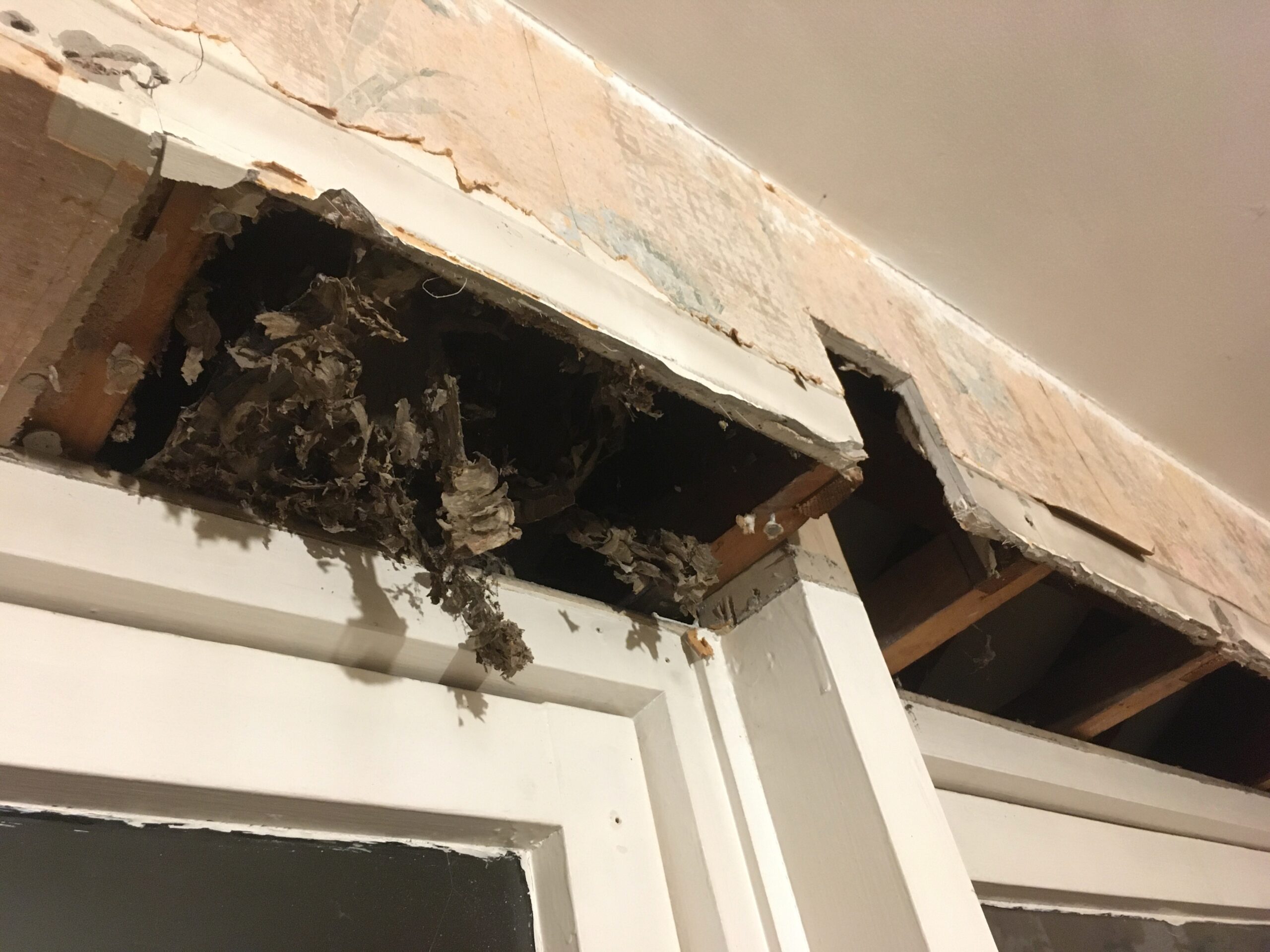
Further investigation above the windows reveals another hollow space in the roof eaves.
This is ripe for improvement with loft insulation and air tightness.
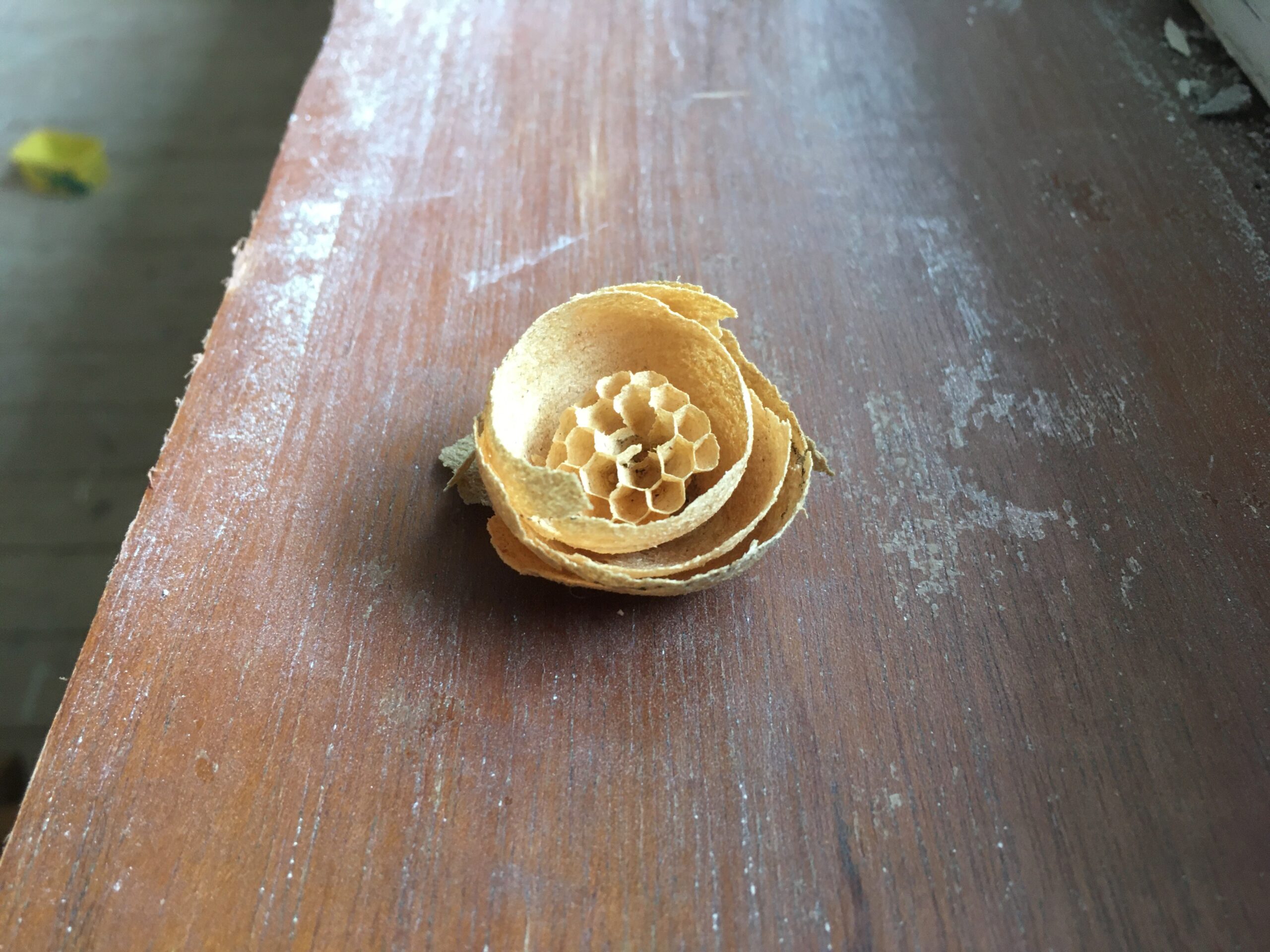
It turns out insects love it in here.